When Can Infants Start Swimming? A Simple Guide for Parents
- ryanlim2413
- Mar 25
- 7 min read
Updated: Mar 26
Welcome, parents! Having a baby is a huge joy. You want to share fun times and new things with them. Swimming is a great choice. Many parents ask, "When can infants start swimming?" It is a very common question.
Water is fun for babies. They spent nine months in water before they were born! But, as a parent, you want to keep them safe. In this simple guide, we will talk about the safe age for babies to swim. We will also look at baby swimming lessons. We will share easy tips to make water time fun and safe for your little one.
What is the Safe Age for Babies to Swim?
You might think you need to wait a long time before taking your baby to the pool. The good news is, you do not! Babies can go in the water from birth. However, most parents wait a little bit. It is very smart to wait until your baby is about two months old.
Why should you wait a bit? First, mums need time to rest and heal after giving birth. The pool can wait until mum feels strong and healthy. Second, very young babies get cold very quickly. A two-month-old baby has a little more fat to help them stay warm in the water.
Do they need their shots first? Many parents worry about this. They think they must wait for the baby's first jabs. But you do not need to wait. Health experts say it is safe to take babies to the pool before they have their vaccines.
Before starting any new physical activity, it is always wise to check on your child's overall growth.
Why Swimming with Infants is Great
Swimming with infants is not just about splashing around. It is highly beneficial for them. It helps them grow strong and happy. Here is why taking your baby to the pool is a great idea:
Builds Strong Muscles
Water makes babies move in new ways. They kick their little legs. They wave their arms. The water pushes against them. This helps their little muscles grow strong. It is like a fun workout for your baby.
Helps Their Brain Grow.
Water feels very different. It feels wet, cool, and soft. This teaches their brain new things. They learn how their body moves in space. This is very good for their mind.
Better Sleep for Baby
Swimming takes a lot of energy! After a fun swim, your baby will be very tired. Most babies take a long, deep sleep after pool time. This is a big win for tired mums and dads!
Better Eating Habits
Moving in the water makes babies hungry. They will often have a great feed after a swim. They will eat well and sleep well.
Special Bonding Time
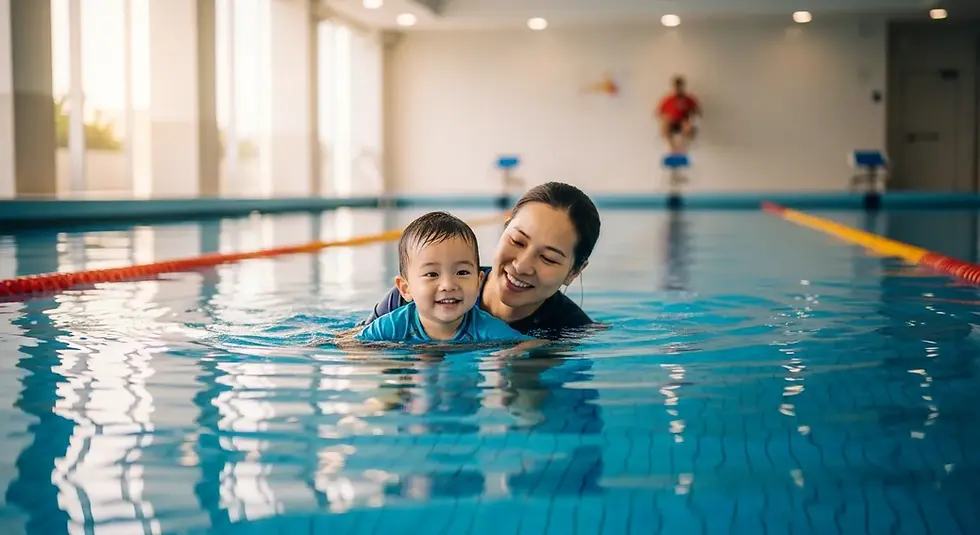
When you hold your baby in the water, you are very close. There are no mobile phones. There is no television. It is just you and your baby. You have eye contact and skin-to-skin touch. This makes your bond very strong.
What to Look for in Baby Swimming Lessons
You can take your baby to the pool by yourself. But joining baby swimming lessons is a wonderful idea. Why are these classes so good?
First, the teachers know exactly what to do. They show you how to hold your baby safely in the water. They know the best games to play. They sing simple, happy songs. This makes the babies feel safe and happy.
Second, it is much safer. A good infant water safety programme will use a warm pool. The water must be warm for babies. It should be around 32 degrees Celsius.
Third, you get to meet other parents. It is nice to talk to other mums and dads. You can share funny stories. Your baby can see other babies, too. This is great for making new friends.
How to Get Ready for the First Swim
Going to the pool takes a bit of planning. You need to pack the right things in your bag. Here is a simple packing list to help you get ready.
Swim Nappies: This is the most important item. A normal daily nappy will soak up the pool water. It will get huge and heavy! You must buy special swim nappies. You can use disposable ones or reusable ones. They keep messy accidents out of the pool.
A Warm Towel: Babies get cold quickly when they leave the warm water. Bring a big, fluffy towel. A towel with a hood is best. It covers their head and keeps the warmth in.
A Baby Wetsuit: Some public pools are a bit cool. You can buy a soft baby wetsuit. It wraps around your baby and keeps them nice and warm.
A Changing Mat: Pool changing rooms can be wet and slippery. Bring your own changing mat. It gives your baby a clean, dry place to lie down while you dress them.
Snacks or Milk: As we said, swimming makes babies hungry. Have a bottle of milk or a snack ready for when you finish.
Safety Tips for Infant Water Safety
Safety is the number one rule. You want to have a lot of fun, but you must be careful. Here are some easy rules to follow for safe swimming with infants.
Watch the Water Temperature
Babies cannot tell you when they are cold. Adult pools are often too cold for them. Look for a special baby pool or a heated pool. The water should feel very warm, almost like a bath at home.
Keep the Swim Short
Do not stay in the water too long. For the very first time, 10 minutes is enough. Later, you can build up to 20 or 30 minutes. If your baby shivers, it is time to get out. If their lips look a bit blue, get out right away. Wrap them in a warm towel.
Hold Them Close at All Times
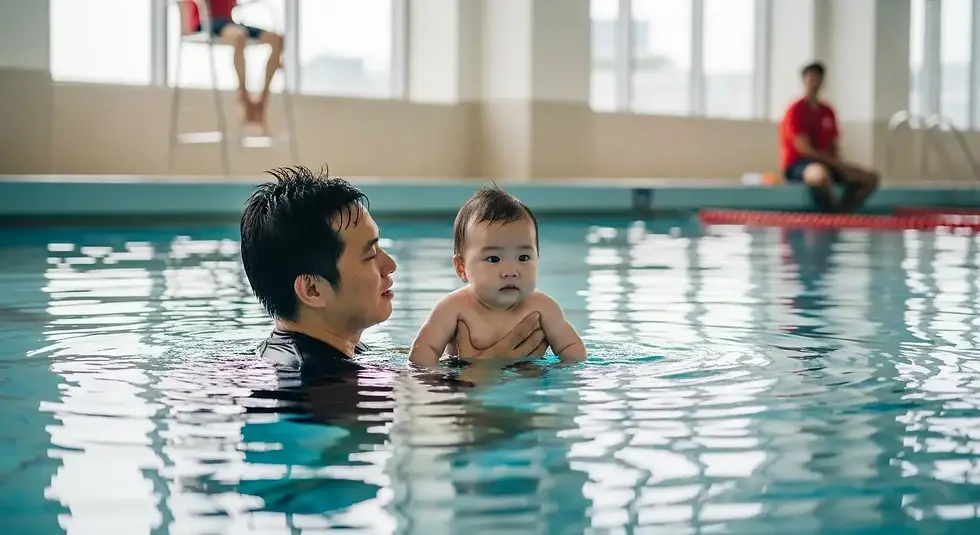
Always keep your baby in your arms. Do not use floaties, rings, or armbands to leave them alone. Floaties can flip over. Your arms are the safest place in the world for them.
Keep Their Face Above Water
Babies can swallow water very fast. Swallowing pool water is bad for their little tummy. Keep their mouth well above the water line. In baby swimming lessons, teachers might show you how to safely dip their face. But please, do not try this on your own until a professional teaches you how to do it safely.
What to Do After the Swim
The job does not stop when you leave the pool. You need to take good care of your baby's skin. Pool water has a chemical called chlorine in it. This chemical keeps the water clean and safe. But it can make your baby's soft skin dry.
When you get out of the pool, rinse your baby with fresh, warm tap water. You do not need to use strong soap. Just wash the pool water off their body.
Next, dry them very well. Make sure you dry in all their little skin folds. Dry behind their ears. Dry under their chin. Dry between their tiny toes.
After they are dry, put on a good baby lotion or cream. This keeps their skin soft and happy. Dress them in warm, dry clothes. Put a soft hat on their head if it is cold outside the centre.
Handling Fears: What if Your Baby Cries?
Sometimes, babies cry in the water. This is highly normal. The pool is a big, noisy place. The lights are very bright. The sounds bounce off the walls. It can be a bit scary for a little baby at first.
If your baby cries, do not panic. Smile at them brightly. Speak in a soft, happy voice. Tell them they are safe with you. Hold them tight against your chest so they feel secure.
If they keep crying, it is perfectly fine to get out. You can try again another day. Do not force them to stay in the water if they are sad. You want them to love the water, not fear it. Slowly, with time and patience, they will learn that the pool is a super fun place.
Final Thoughts
Let us go over what we learned today. You can start swimming with infants from birth, but waiting until they are two months old is a good idea. You do not need to wait for their vaccines. Swimming is wonderful for their growing muscles, their busy brain, and their sleep.
Always remember to check the water temperature. Bring your swim nappies and a warm hooded towel. Keep the swim time short and sweet. And always wash the pool water off to protect their soft skin.
Swimming is a beautiful gift to give your child. It teaches them a skill that can save their life one day. It also gives you hours of happy, smiling memories. Take your time. Be safe. Enjoy every splash and giggle. Your baby will grow to love the water, and you will love watching them learn!
Frequently Asked Questions (FAQ's)
Q. How long should I wait to take my baby swimming after a feed?
It is best to wait about 30 to 45 minutes after feeding your baby before getting into the pool. If their tummy is too full, the water moving around might make them sick or cause them to spit up.
Q. Can I take my baby swimming in the sea?
It is usually better to wait a bit longer before taking a baby into the sea. The sea is much colder than a swimming pool, and the waves can be scary for an infant. If you are at the beach, you can fill a small, clean bucket with water and let them splash their hands safely on the sand instead.
Q. Can my baby go swimming if they have a cold?
If your baby has a fever, a bad cough, or a sore tummy, it is best to stay at home and rest. If they only have a very tiny sniffle but are acting happy and playing normally, a short swim in a warm pool is usually fine.
Q. Is pool water safe if my baby has eczema?
Yes, but you need to be a little careful. The chlorine in pool water can make dry skin or eczema feel worse. You can put a thick barrier cream on your baby's skin before you get in the water. After the swim, wash them with fresh water right away and put on their normal soothing lotion.
Q. Can I use suncream on my baby at an outdoor pool?
If your baby is under six months old, doctors say you should not use suncream. Their skin is too sensitive. Instead, keep them in the shade and dress them in a UV sun-safe baby suit and a wide hat. For babies older than six months, you can use a special baby suncream.

Comments